

My Plate, My Story 🍽️
A community-based graduate art-in-health research project exploring the lived experience of diabetes within cultural contexts.
By Collaborating with God’s Family Ministries (GFAM)
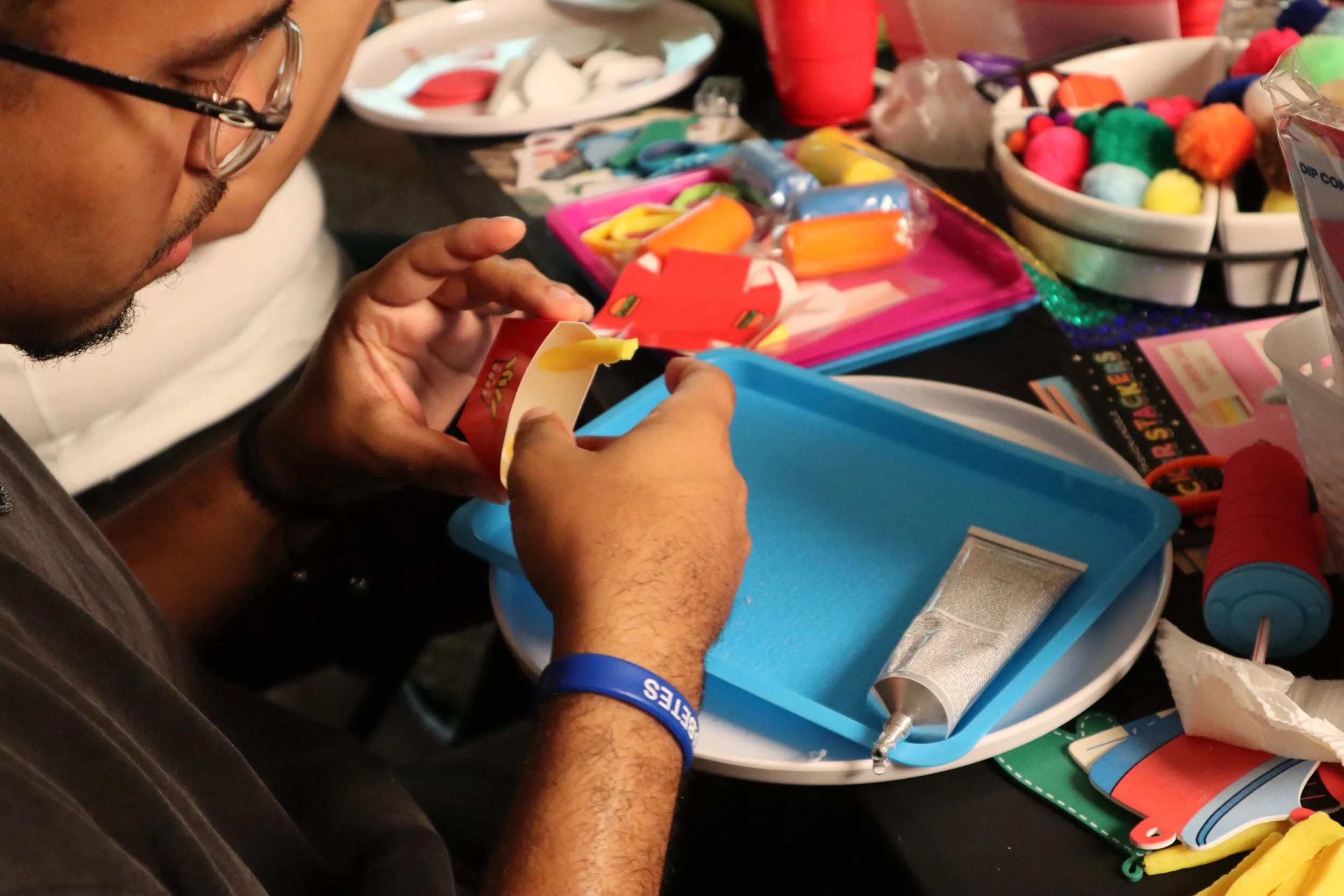
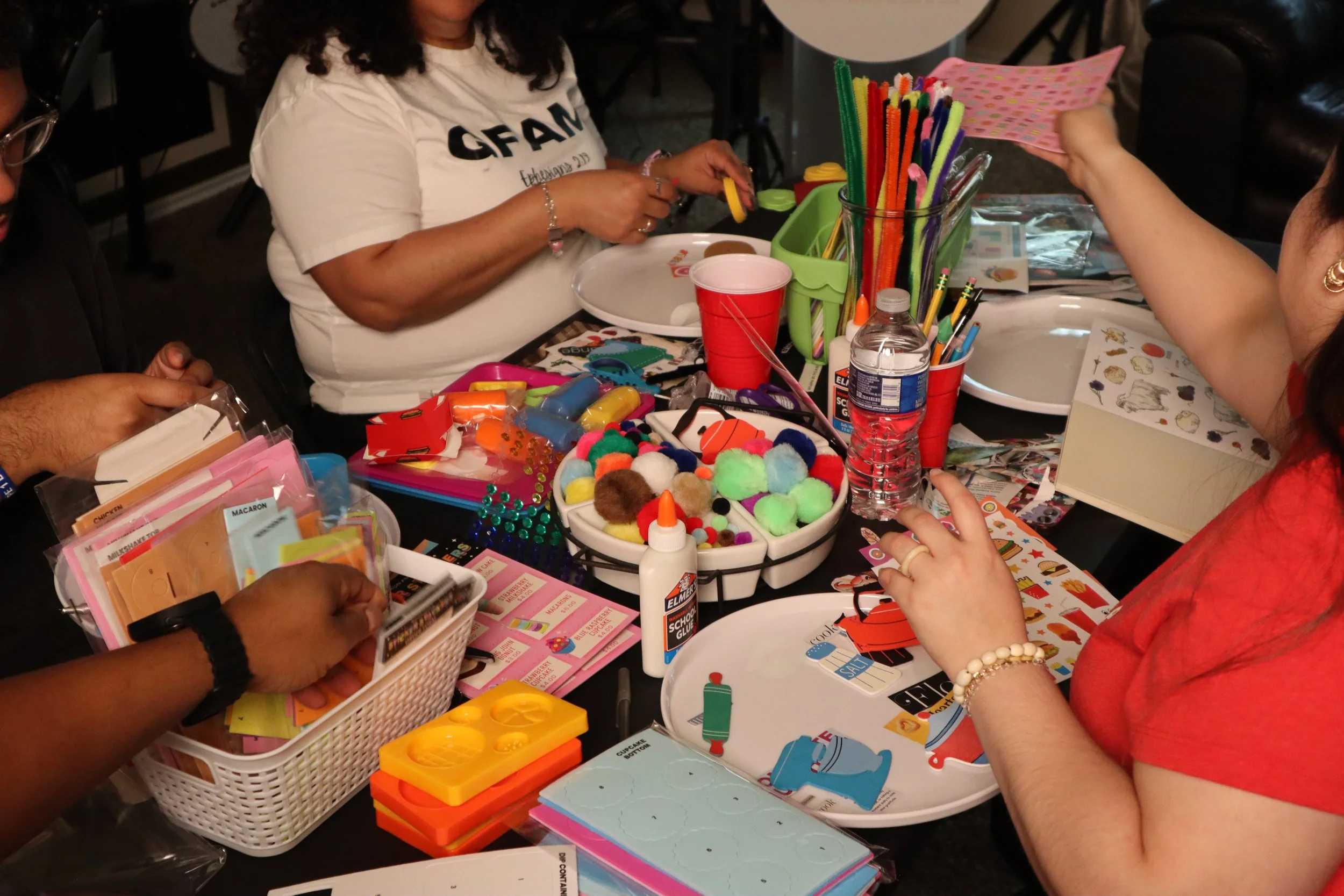
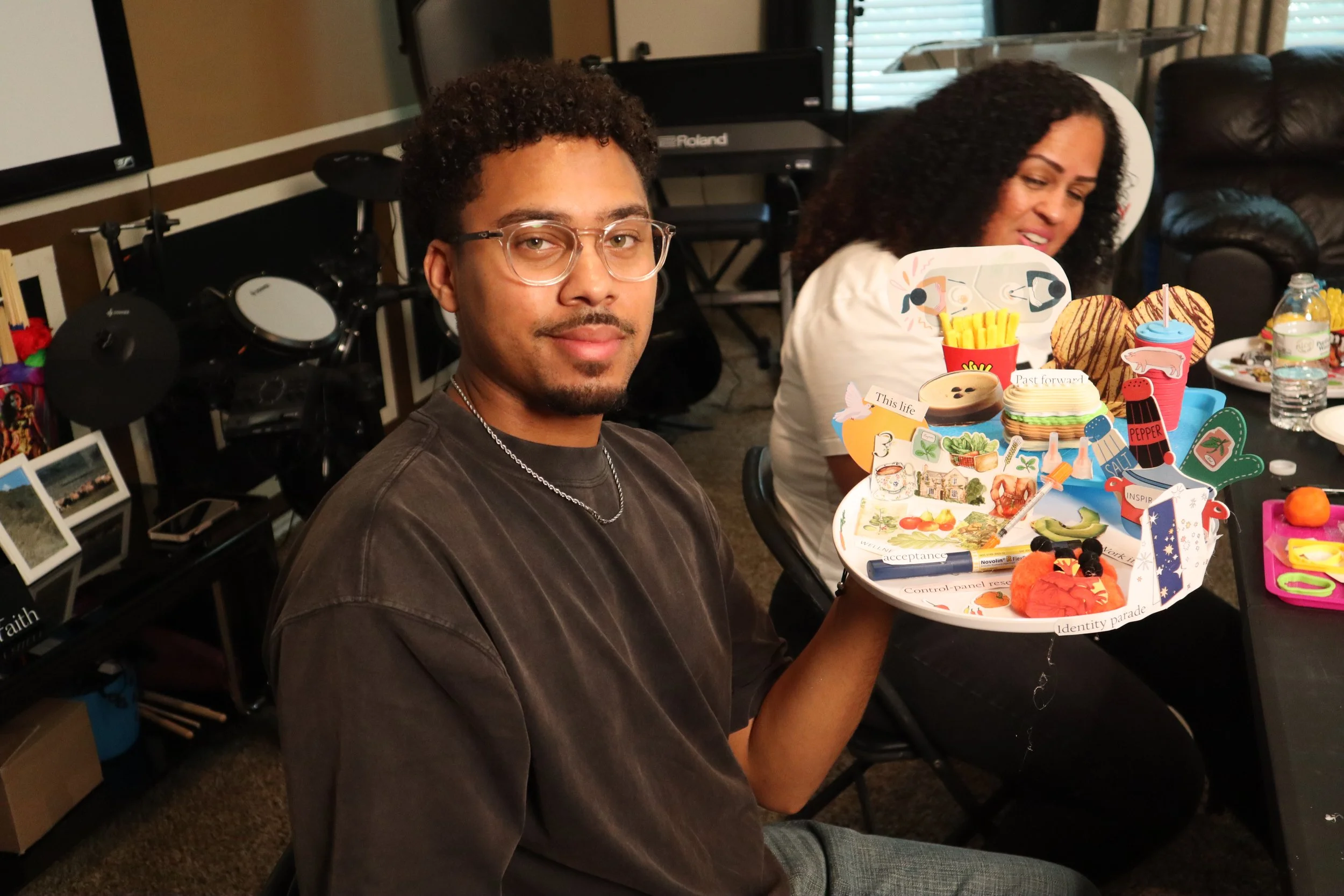
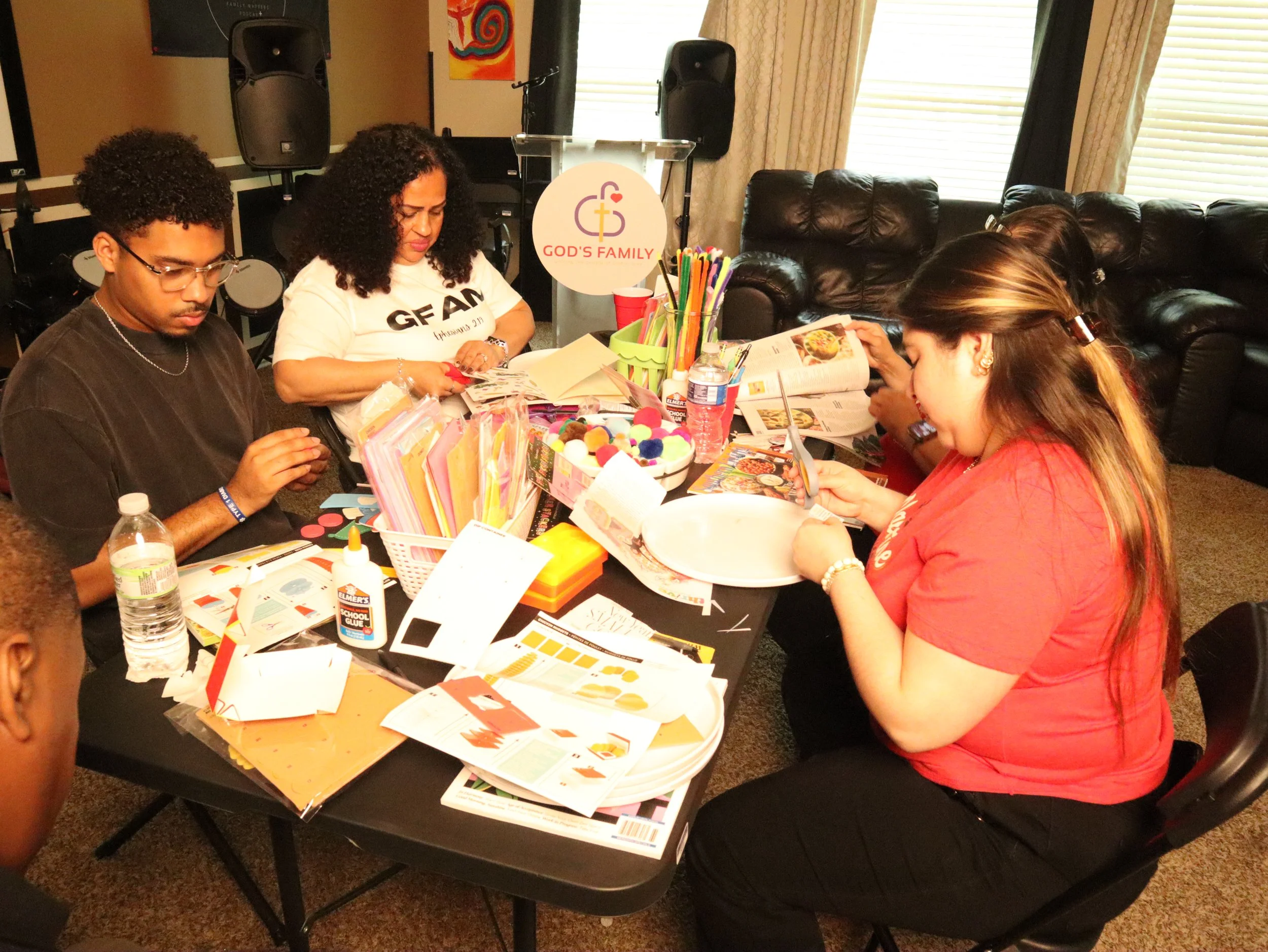
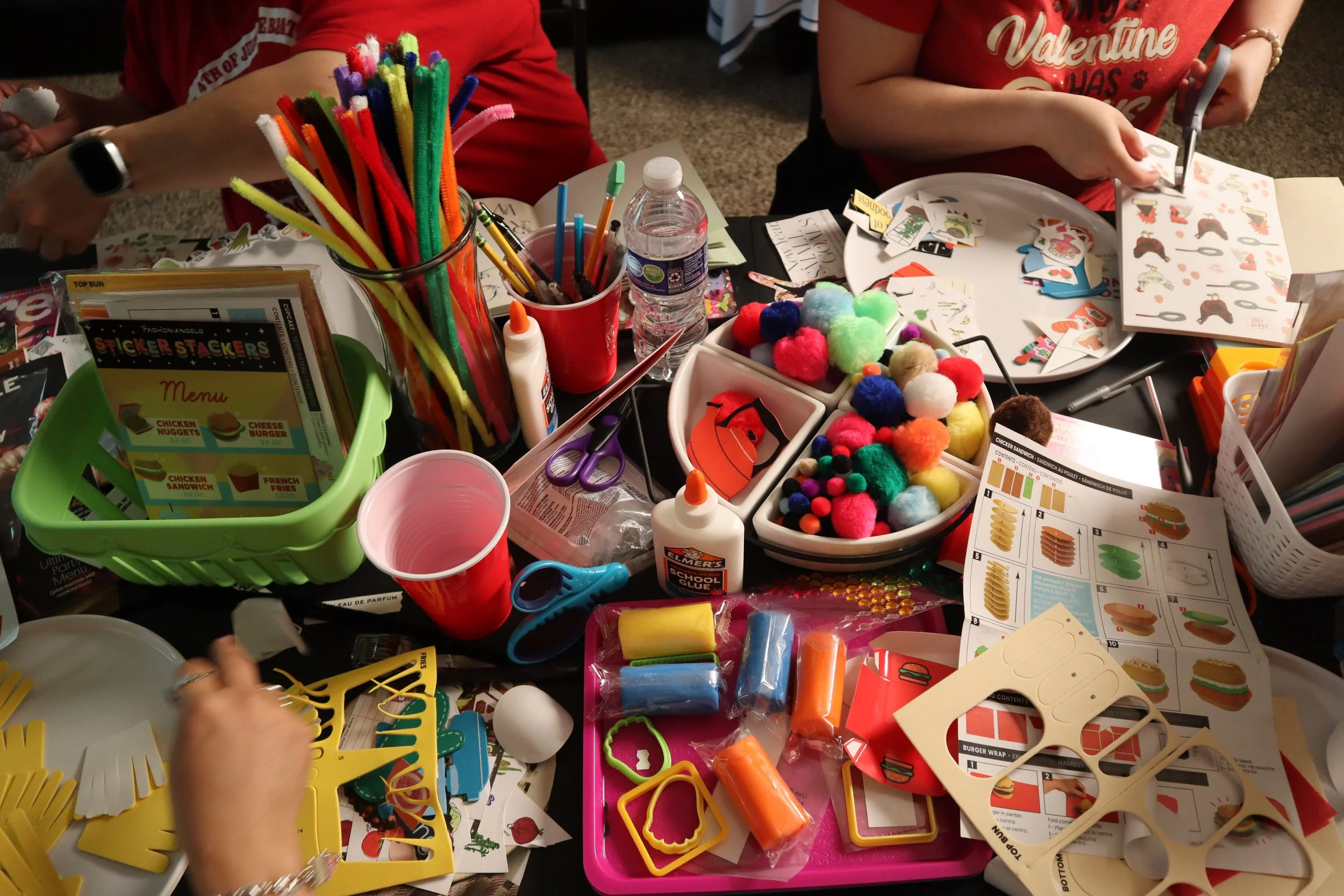
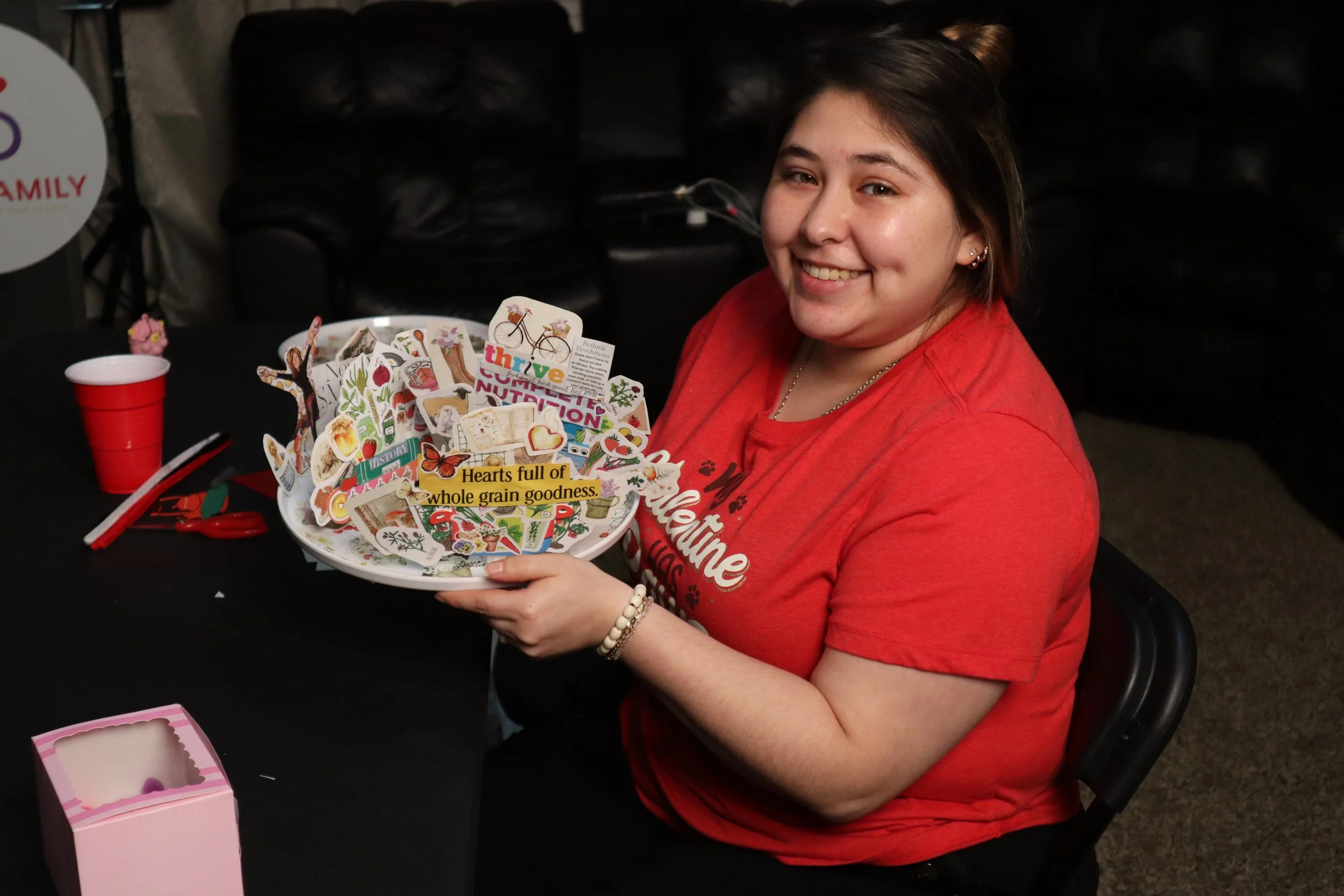
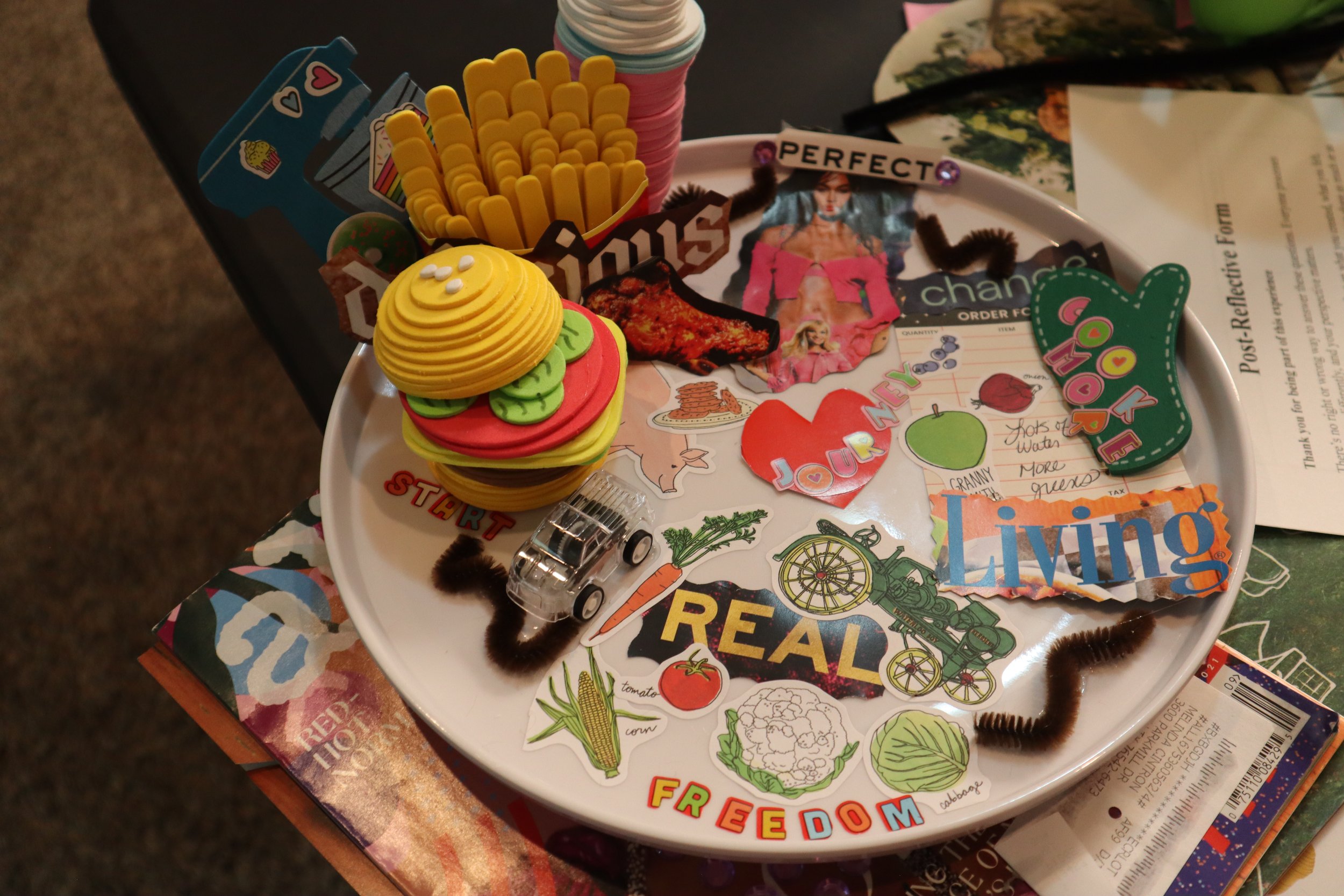
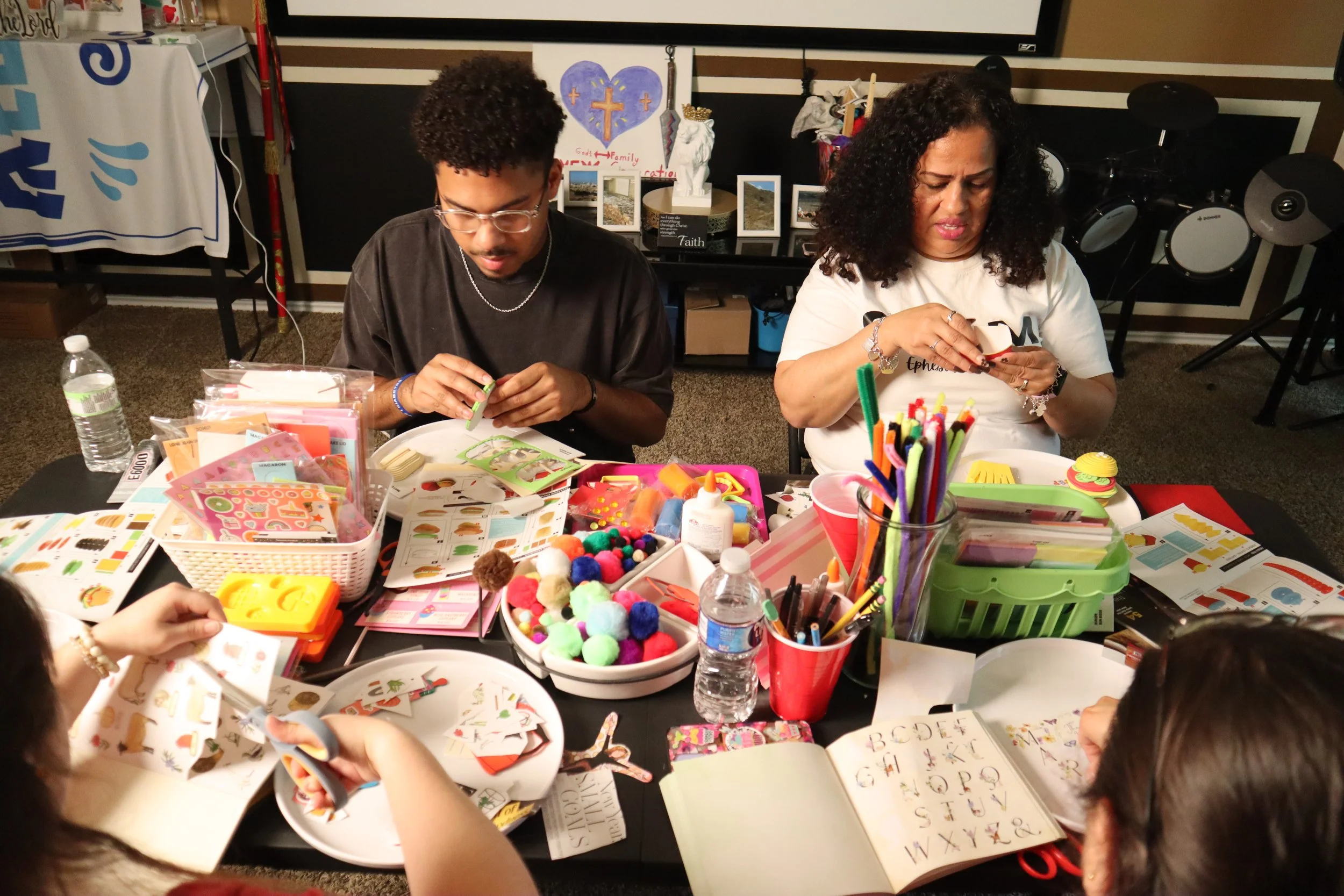
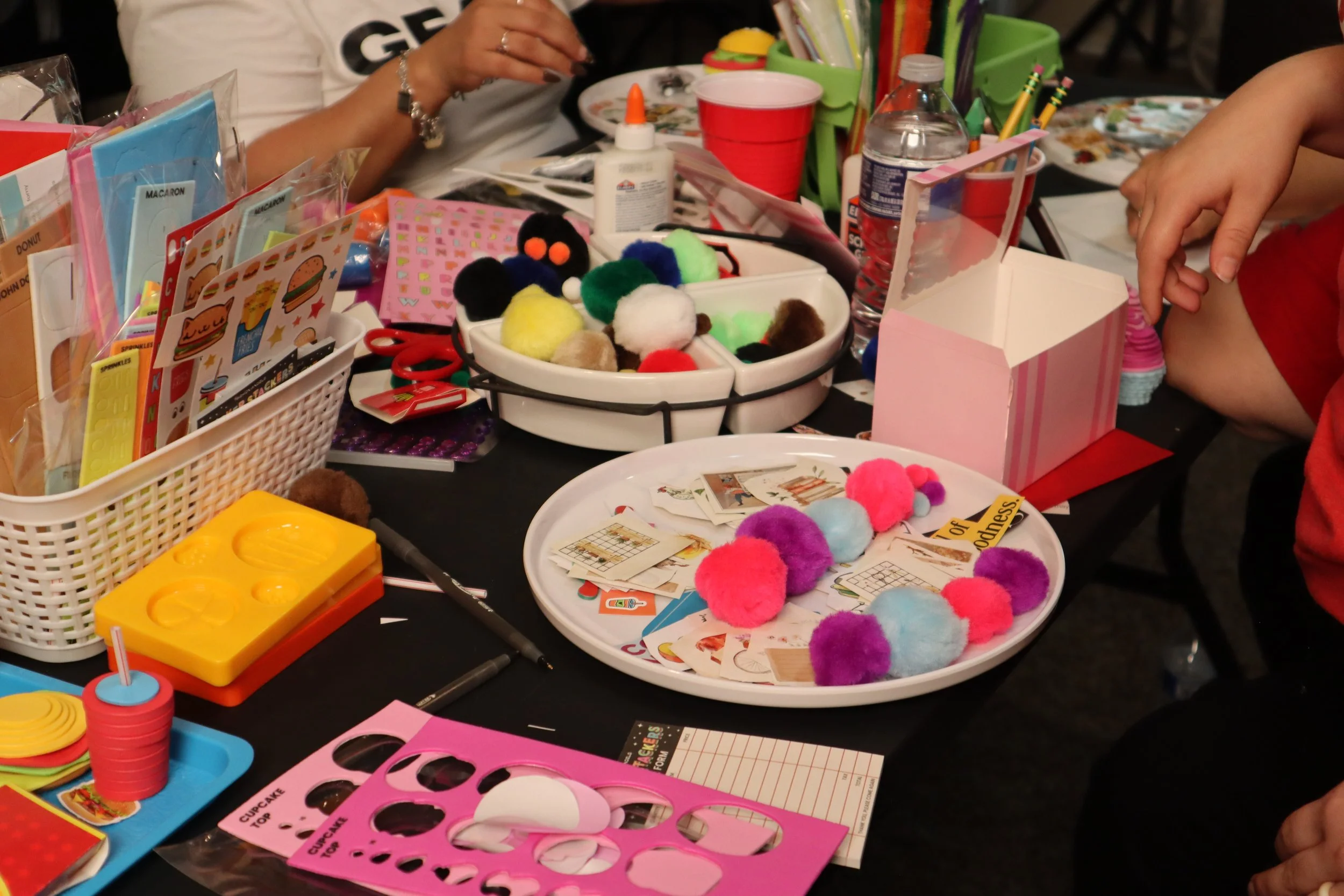
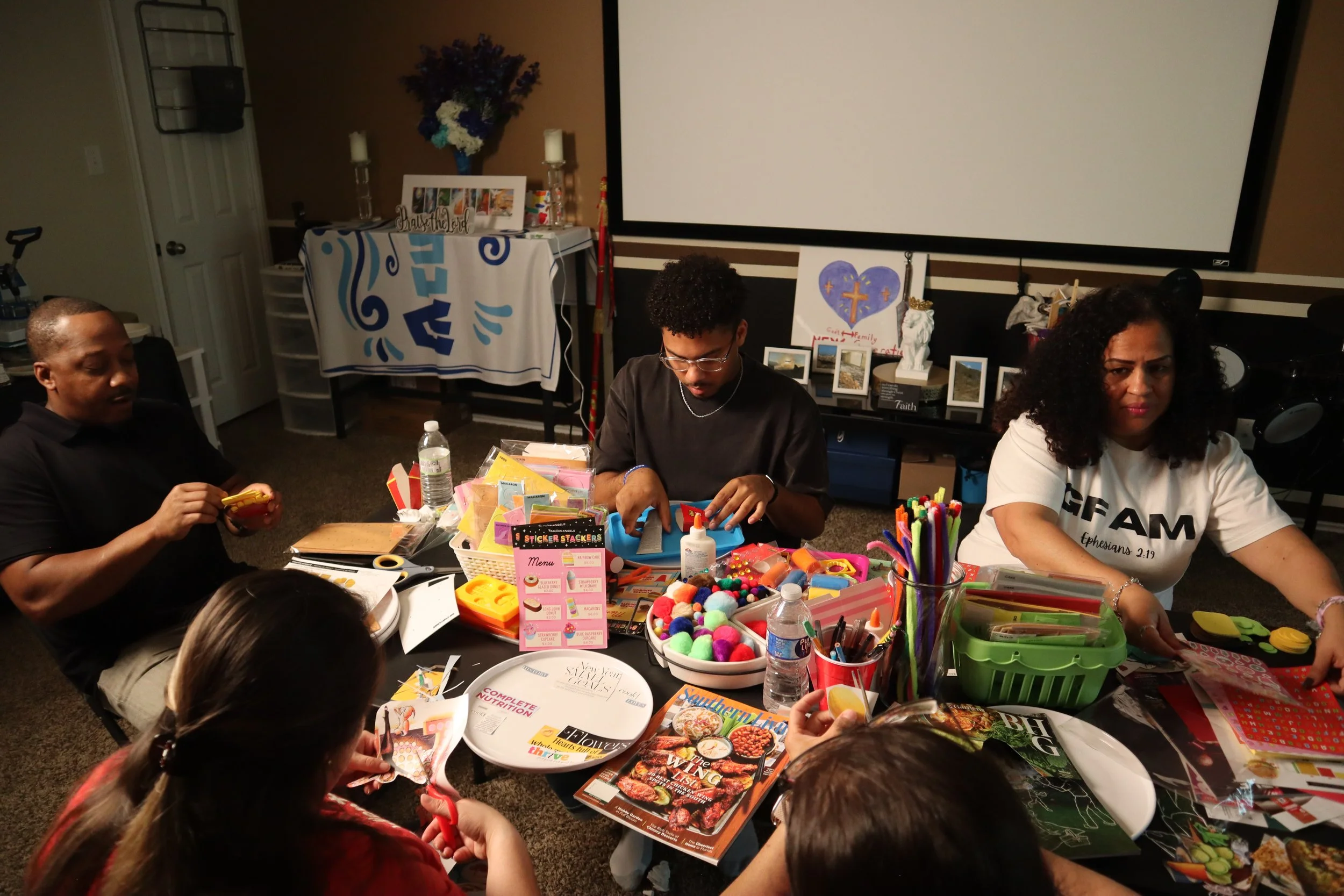
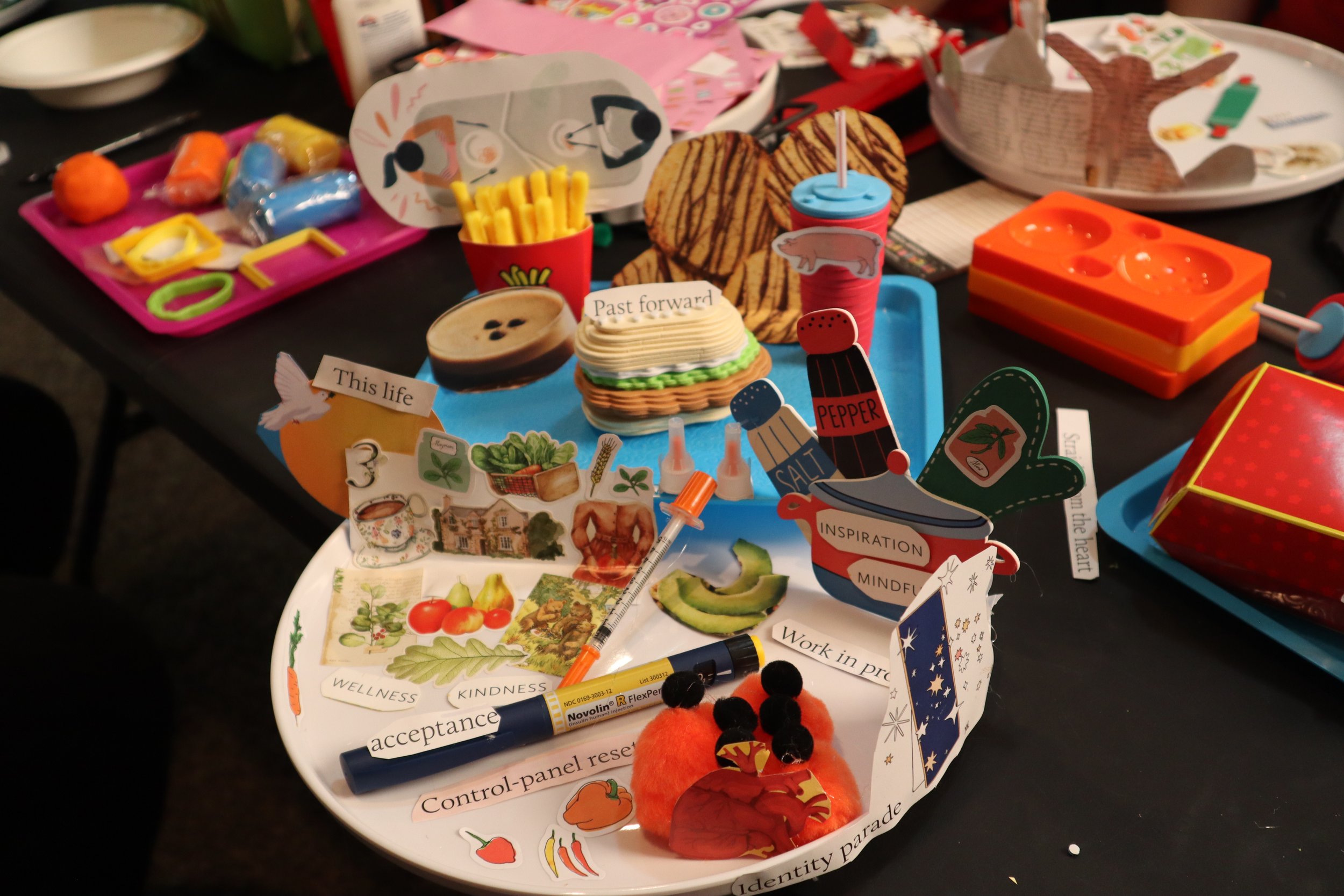
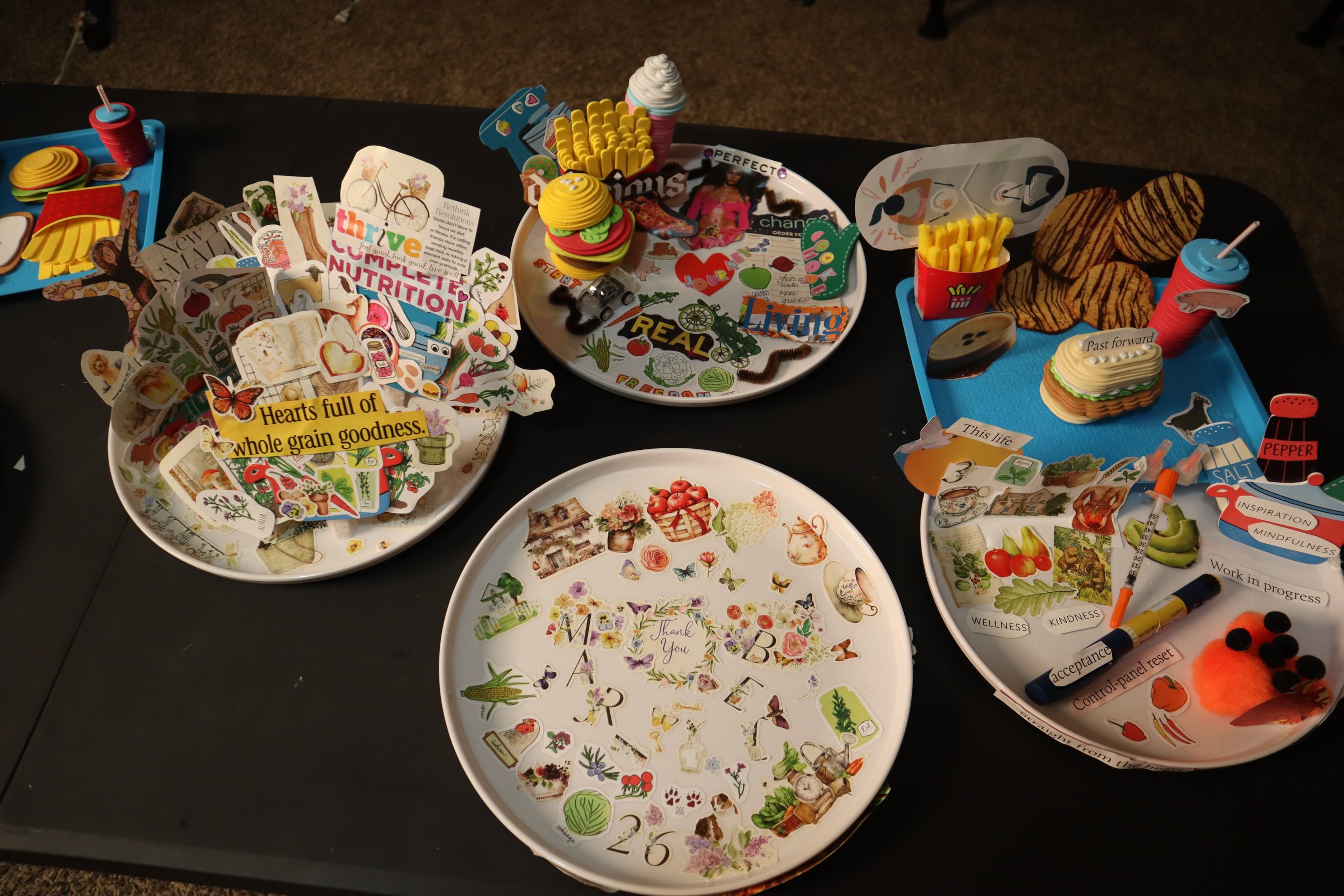
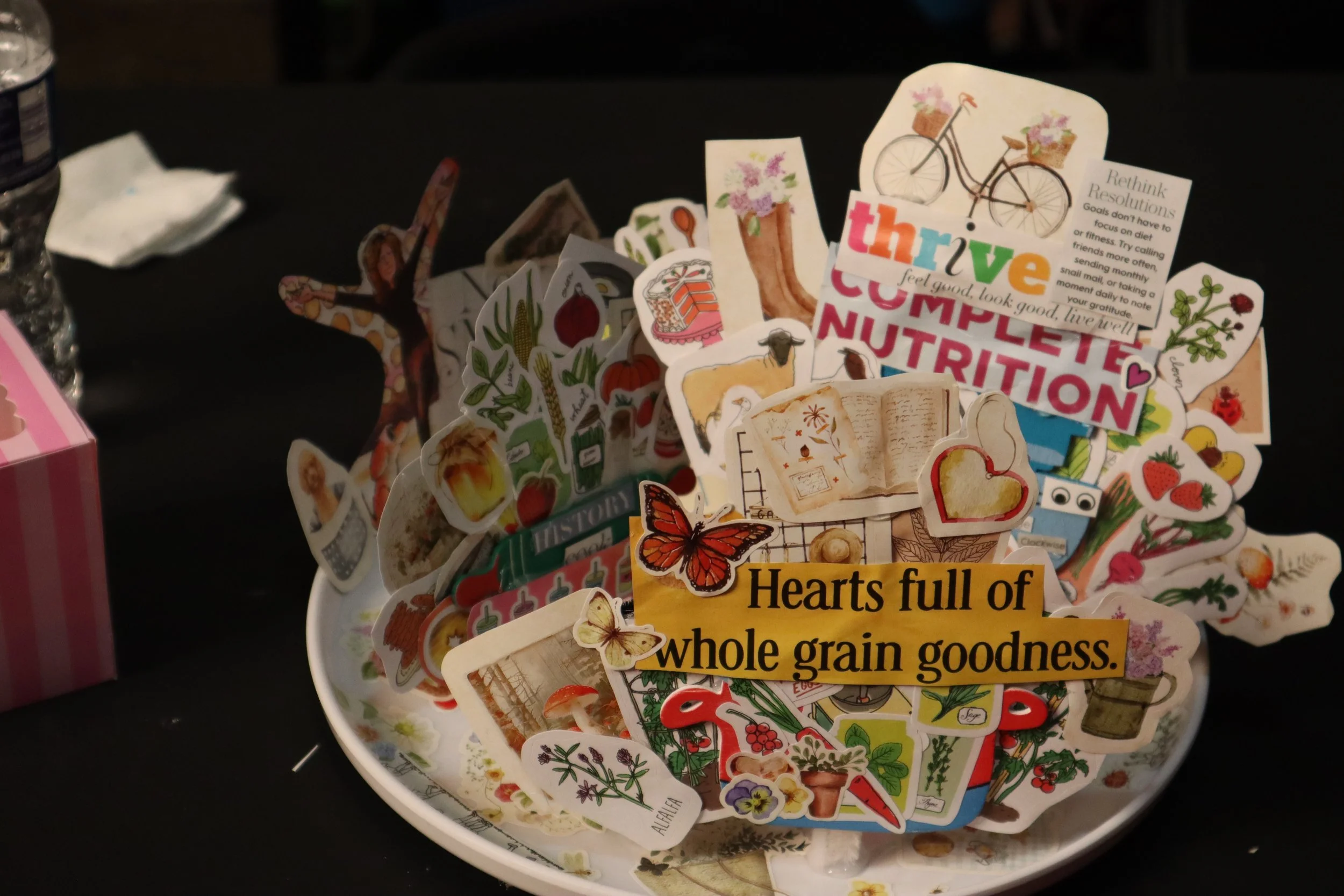
I developed a community-based diabetes and art workshop exploring the connection between cultural food, identity, and health. Inspired by the United States Department of Agriculture MyPlate model and the American Diabetes Association Diabetes Plate Method, the project reimagines nutrition education through storytelling and creative expression.
Through video documentation, I captured participants’ lived experiences and created space for GFAM members from culturally rich traditions to reflect on how food shapes both well-being and identity while exploring meaningful ways to adapt meals for better health.
At its core, the project asks:
How can we honor our culture while caring for our bodies?
References:
Bisogni, C. A., Jastran, M., Seligson, M., & Thompson, A. (2012). How people interpret healthy eating: contributions of qualitative research. Journal of Nutrition Education and Behavior, 44(4), 282–301. https://doi.org/10.1016/j.jneb.2011.11.009
Cohen, G. D. (2006). Research on Creativity and Aging: The Positive Impact of the Arts on Health and Illness. Generations: Journal of the American Society on Aging, 30(1), 7–15. https://www.jstor.org/stable/26555432
Fisher, L., Gonzalez, J. S., & Polonsky, W. H. (2014). The confusing tale of depression and distress in patients with diabetes: a call for greater clarity and precision. Diabetic medicine: a journal of the British Diabetic Association, 31(7), 764–772. https://doi.org/10.1111/dme.12428
Health and culture: beyond the Western paradigm. Airhihenbuwa, Collins O: Free Download, Borrow, and Streaming: Internet Archive. (1995). Internet Archive. https://archive.org/details/healthculturebey0000airh/page/n2/mode/1up
Leventhal, H., Brissette, I., & Leventhal, E. A. (2003). The common-sense model of self-regulation of health and illness. In L. D. Cameron & H. Leventhal (Eds.), The self-regulation of health and illness behaviour (pp. 42–65). Routledge.
Machado, S. S., Schillinger, D., Avina, L., Cortez, G., Daniels, R., & Thompson, H. R. (2021). Seeing “The Bigger Picture:” Impact of an arts-focused type 2 diabetes education program in high schools. Journal of Health Communication, 26(10), 696–707.
Polonsky, W. H., Fisher, L., Earles, J., Dudl, R. J., Lees, J., Mullan, J., & Jackson, R. A. (2005). Assessing psychosocial distress in diabetes: development of the diabetes distress scale. Diabetes Care, 28(3), 626–631. https://doi.org/10.2337/diacare.28.3.626
Steve Ferzacca. 2012. Diabetes and Culture. Annual Review of Anthropology. 41:411-426. https://doi.org/10.1146/annurev-anthro-081309-145806
Stuckey, H. L., & Nobel, J. (2010). The connection between art, healing, and public health: a review of current literature. American Journal of Public Health, 100(2), 254–263. https://doi.org/10.2105/AJPH.2008.156497
Wang, C., & Burris, M. A. (1997). Photovoice: concept, methodology, and use for participatory needs assessment. Health education & behavior : the official publication of the Society for Public Health Education, 24(3), 369–387. https://doi.org/10.1177/109019819702400309